How to Get Rid of Cockroaches in Your Kitchen (and Keep Them Out)
Reviewed by The Small Crew editorial team against University of California Statewide IPM Program (UC IPM) guidance.
The short answer
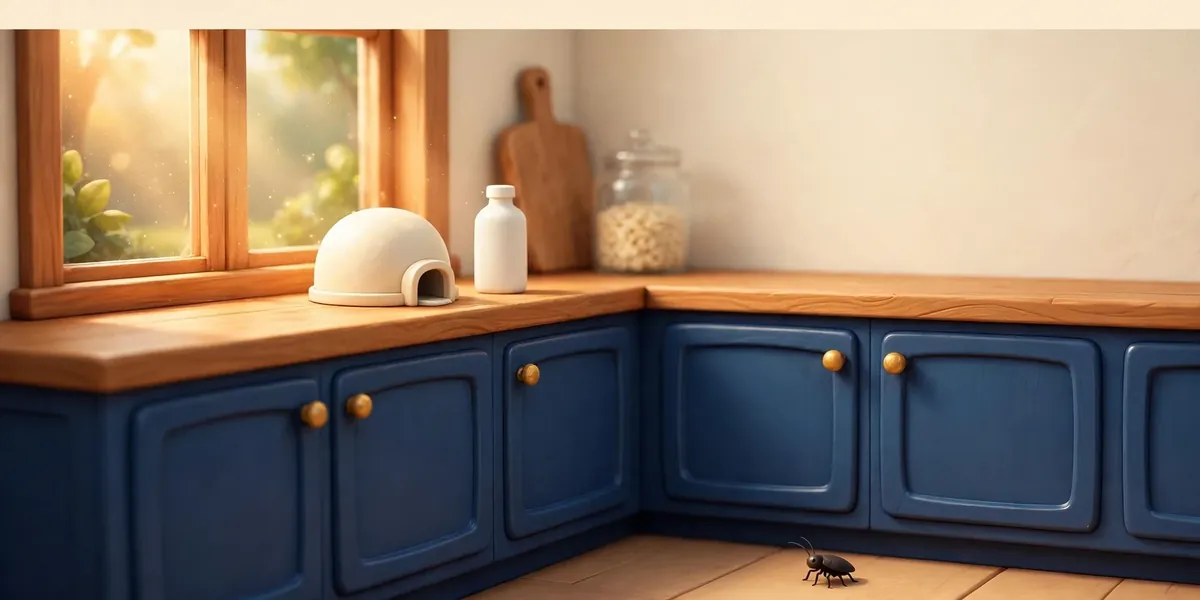
Cockroaches come into a kitchen for the same three things every pest wants: food, water, and shelter. They hide by day in warm, dark, moist cracks and come out at night to feed. The method that works is the same one behind the ants article: find where they hide with sticky traps, take away the food and water, seal the ways in — and only then use bait. Baits provide better control than sprays, and pesticides alone will not solve a cockroach problem [1]. Sprays give a quick knockdown and nothing lasting; foggers and bug bombs are worse than useless, because they can scatter roaches into other rooms without killing them [1]. Expect bait to take 7 days or longer before you see fewer cockroaches [1]. If the infestation is serious, that is the point to call a licensed professional [1].
Why roaches are in the kitchen
A kitchen is everything a cockroach wants in one room: food, water, warmth, and dark hiding places close together. Cockroaches thrive in both indoor and outdoor environments where they can find food, water, and shelter [1]. During the day they hide in warm, dark, moist areas like cracks, water meter boxes, sewers, and crawl spaces, and they come out at night to feed [1]. Indoors they favor warm, humid spots close to food and water, with dark areas for harborage — which is why the German cockroach, the most common indoor species, prefers food preparation areas, kitchens, and bathrooms [1].
They're a health problem, not just an unpleasant one. Indoor infestations of cockroaches are important sources of allergens and have been identified as risk factors for development of asthma in children, especially within multi-unit housing environments [1]. The levels of allergens present have been directly correlated to both cockroach density and the conditions that contribute to heavy infestations, such as housing disrepair and poor sanitary conditions [1]. German cockroaches are also believed to be capable of transmitting numerous disease-causing organisms, and have been implicated in the spread of typhoid and dysentery [1].
And they multiply fast. A female German cockroach carries a light beige egg case about 1/4 inch long, containing about 30 young, and may produce a new egg case every few weeks [1]. The German cockroach has the fastest reproductive cycle of all the common pest cockroaches: a single female and her offspring can produce over 30,000 individuals in a year [1]. That is why a few roaches seen at night are worth acting on the same week, not the same month.
What doesn't work
- Foggers, bug bombs, and aerosol sprays. Avoid using foggers, bombs, or aerosol sprays; these products can be hazardous and may repel and disperse cockroaches to other areas without actually killing them [1]. Applications of aerosol insecticides and total-release foggers are often ineffective since they don't reach the crevices where cockroaches harbor and breed, and they can be hazardous due to flammability and exposure concerns [1].
- Spraying as the whole plan. Although sprays may provide a quick, temporary knockdown of cockroaches, they do not give long-term control [1]. They may also repel and disperse cockroaches to other areas of the building from which they may return later [1]. Cockroaches have also become resistant to many insecticides in common sprays and aerosols that formerly controlled them [1]. Sprays should not be necessary if an IPM program is followed that uses sanitation, exclusion, and appropriate baits and dusts [1].
- Pesticides without the rest of the work. Insecticides are most effective when combined with sanitation and exclusion practices that limit the cockroach's ability to establish or reinvade. Pesticides alone will not solve a cockroach problem [1]. If cockroaches still have access to food, baits — the primary control tools — may take longer to provide satisfactory control [1].
Identify first — the species changes the plan
Identify the cockroach species before taking action: effective management options vary according to species [1]. It is important to correctly identify the species involved so that the most effective control method may be chosen [1]. Two groups matter for a kitchen:
- Live and breed entirely indoors: German and brownbanded. The German cockroach is the most common indoor species in California, especially in multi-unit housing, preferring warm (70° to 75°F), humid areas close to food, water, and dark harborage [1]. It is the most persistent and troublesome of the California species [1]. The brownbanded cockroach is much less common — about 1% of all indoor infestations — prefers temperatures of about 80°F, and favors crevices near electrical appliances, behind artwork, and in clutter, rather than food preparation areas [1]. Brownbanded cockroaches are especially difficult to control using baits [1].
- Live outdoors, invade indoors: American, Oriental, and Turkestan. These species live outdoors but can temporarily invade indoor spaces [1]. The Oriental cockroach lives in cool, dark, damp places like garages, basements, water meter boxes, and drains, and at night may migrate into buildings, usually staying on the ground floor [1]. The American cockroach prefers warm and humid environments, usually above 82°F, is common in sewers and storm drains, and may forage into the ground floor if pipes are damaged, screens are missing, or water traps in drains are faulty [1]. The Turkestan cockroach is a newer invasive species found in water meter boxes, concrete cracks, compost piles, and sewers, and in recent years has been displacing the Oriental cockroach in southern California, the Central Valley, and other warm, dry parts of the state [1].
A sticky trap catch is the practical way to identify what you have: cockroach sticky traps are useful in catching roaches for identification [1]. Note the size and markings, and compare them with the descriptions above. If you can't identify the species, trap first anyway — the traps will tell you where they are — then compare what you catch with the descriptions above before you bait.
The steps that do work
1. Find where they hide — trap first
Sticky traps or glue boards offer the best way to detect and monitor cockroach populations [1]. Place cockroach sticky traps on the floor around edges of walls, in cupboards, under appliances, and other places where roaches could be feeding [1]. In the kitchen, put traps against walls behind large appliances and in cabinets [1]. Place traps near exterior doors to catch invading outdoor species [1]. Number the traps so you can keep records for each trap separately [1].
Check traps daily until you can tell where the most cockroaches are being caught [1]. Often, cockroaches will be caught within the first 24 hours of placing a trap [1]. Discard sticky traps by placing them in a sealed plastic bag in the trash [1]. Keep records of cockroaches trapped in different locations before and after you start your management efforts, so you can tell whether the program is working [1].
You can also inspect with a flashlight — check cracks, underneath counters, around water heaters, and in other dark locations; a small mirror on a long handle can be useful in hard-to-see areas [1]. Look for the signs that mark a hot spot: accumulations of fecal matter (dark spots or smears), cast skins, egg cases, and live or dead cockroaches [1]. Remember how small the hiding places can be: an adult German cockroach can hide in a crack 1/16 inch wide, and immature cockroaches stay in even smaller cracks [1]. Cockroaches tend to congregate in corners while foraging and generally travel along the edges of walls [1] — which is why traps go along edges, not in the middle of the floor.
2. Take away food and water
Cockroaches thrive where food and water are available. Even tiny amounts of crumbs or liquids caught between cracks provide a food source [1]. Do the following before you spend anything on bait, because baits work far better when other food is gone:
- Store food in insect-proof containers such as glass jars or re-sealable plastic containers [1]. The Quick Tips version of the same advice: store food in tightly sealed containers [1].
- Keep garbage and trash in containers with tight-fitting lids and use plastic liners when possible [1]. Keep trash cans away from doorways [1].
- Fix plumbing and irrigation leaks to reduce sources of water, and increase ventilation where condensation is a problem [1].
- Vacuum cracks and crevices to remove food and debris, and clean up surfaces where food or beverages have been spilled immediately [1]. Regularly vacuum indoor cracks and crevices, clean behind kitchen appliances, and clean floors and counters, since even tiny crumbs or liquids can attract cockroaches [1]. Vacuuming also removes cockroaches, shed skins, and egg cases [1].
- Remove clutter that provides hiding places: trash, newspapers, magazines, piles of paper bags, rags, boxes, and other items, especially in kitchens and bathrooms [1]. Remove piles of papers, cardboard boxes, and other clutter [1].
One practical note from the source: because aerosolized bits of shed skins and droppings may cause allergies when inhaled, it is recommended that the vacuum cleaner have a high-efficiency particulate air (HEPA) filter or triple filters [1].
3. Seal the gaps — and remove the hiding places
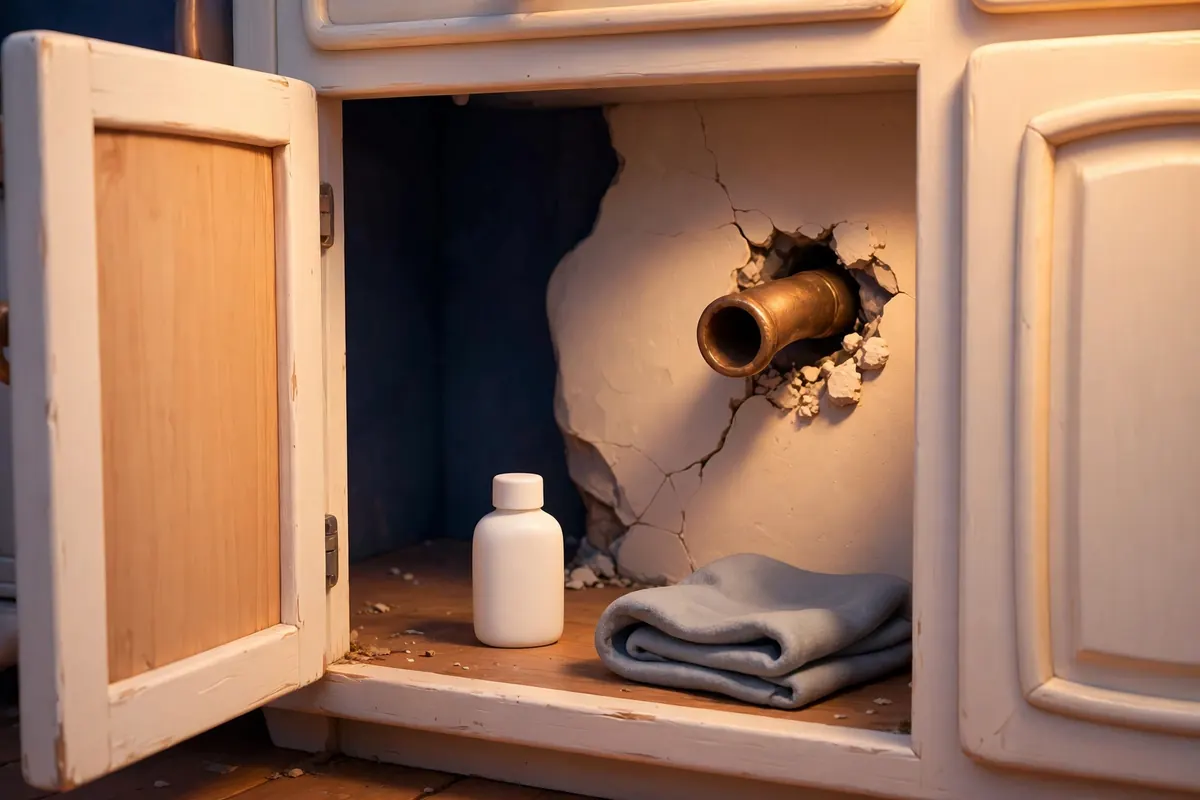
Limiting hiding areas or avenues of access to living areas is an essential part of an effective management strategy [1]. Seal cracks and other openings to prevent cockroaches from coming indoors [1]. Use door sweeps and weather stripping around doors and windows to block ways for cockroaches to enter [1]. False-bottom cupboards, hollow walls, and similar areas are common cockroach refuges that should be properly sealed [1]. Locate and seal cracks where cockroaches can hide [1].
Check the ways roaches travel in, not just the walls: look for other methods of entry, such as from items being brought into the building — especially appliances, furniture, boxes, and items that were recently in storage [1]. Inspect food deliveries before putting them in kitchens [1]. Look for egg cases glued to undersides of furniture, in refrigerator and other appliance motors, boxes, and other items, and remove any that you find [1].
Outside the kitchen, the same logic applies: trim shrubbery around buildings to increase light and air circulation, especially near vents, and eliminate ivy or other dense ground covers near the house, as these may harbor cockroaches [1]. Remove trash and stored items such as stacks of lumber or firewood from around the outside of buildings [1]. A layer of gravel about 6 to 12 inches wide around the perimeter of buildings reduces moisture, making the area less hospitable to outdoor cockroaches [1].
4. Trap and bait what remains
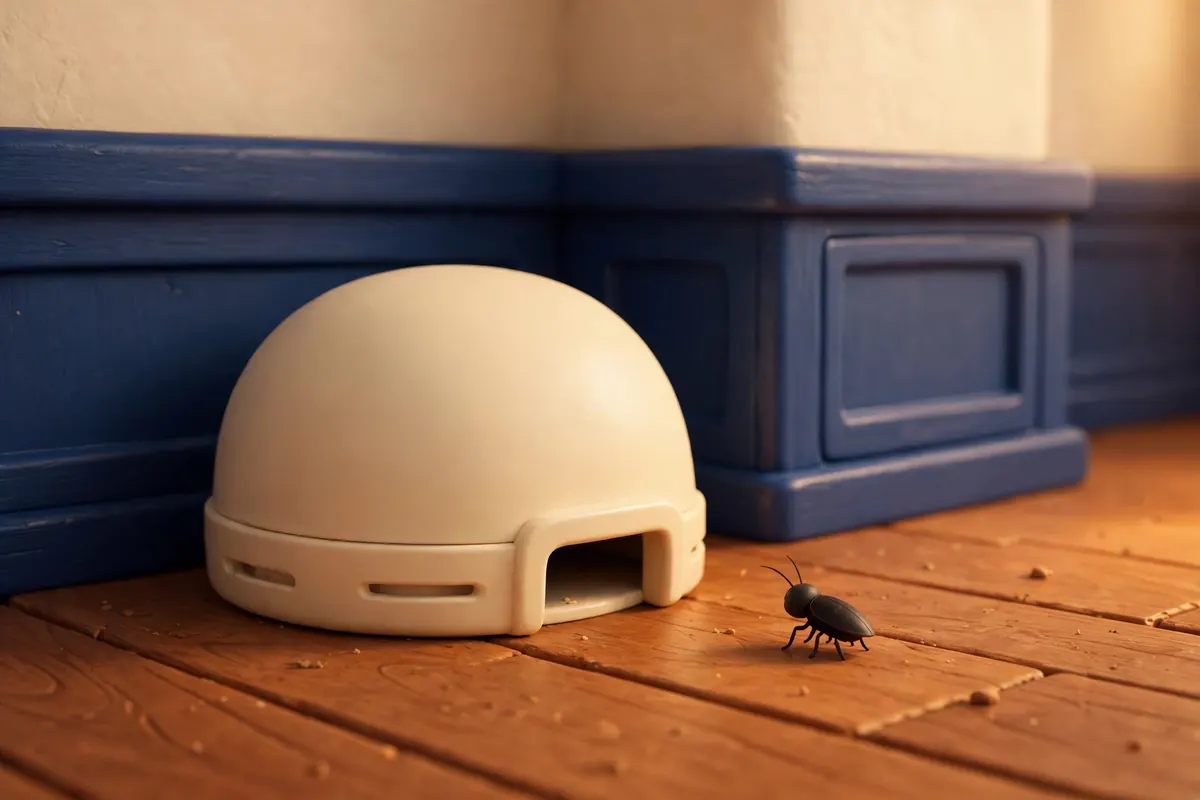
Bait products are the primary pesticides used to treat cockroach infestations, packaged as pastes, gels, and granules [1]. Most insecticides used in baits are slow acting: an effective bait program does not give immediate results but instead may take 7 days or longer [1]. Insecticide gels and bait stations placed near cockroach hiding areas can be effective if sources of food and water are removed, and it may take 7 days or longer before you see fewer cockroaches [1].
One exception: brownbanded cockroaches are harder to control with baits. If that's what you have, place stations where they hide — warm spots near appliances, behind artwork, in clutter — and let the traps tell you whether the numbers are falling. [1]
- Bait stations. The most popular bait application method for home use is within prefilled bait stations, small plastic units that contain an attractive food base along with an insecticide [1]. Their advantage is that insecticides are confined to small areas within tamper-resistant containers rather than being dispersed widely, potentially reducing exposure to people and pets, and baits in stations remain effective for many months [1]. Refillable bait stations are available in stores and can be refilled with bait granules or gel [1].
- Gel bait. For crack and crevice treatments, gel baits can be very effective: apply gel in small dabs in cracks and crevices where cockroaches will find it [1]. Gels are very effective when placed in or near locations where cockroaches harbor or forage, and very effective when applied to manage German cockroaches and other species living inside structures [1]. In some cases gels may need to be reapplied, since deposits harden over time [1].
- Placement matters more than quantity. Insecticidal baits do not attract cockroaches over long distances, so place them near hiding spaces or where roaches are likely to encounter them while foraging [1]. Indoors, place baits under appliances, along walls, and in cabinets; baits can also be placed next to fecal specks and droppings, which contain a natural attractant [1]. Outdoors, place baits and bait stations around building perimeters, in valve or water meter boxes, wood piles, and around planters [1].
- Dusts, for voids only. Boric acid powders and desiccant dusts may be applied within hollow walls, under refrigerators, and other undisturbed hiding places [1]. Boric acid is not repellent, and if it remains dry and undisturbed, it provides control for a very long time — but it is slow, and it may be 7 days or more before it has a significant effect [1]. Apply thin films of dust rather than thick layers, which may cake and clump together [1]. If a deposit gets wet and then dries and cakes, it loses its electrostatic charge — clean up old deposits and reapply [1]. Boric acid is not recommended for outdoor use, since it is toxic to plants [1]. Desiccant dusts such as diatomaceous earth and silica aerogel are repellent and effective when applied to voids and other out-of-the-way places [1]. Applying dusts inside hollow walls or under appliances may require a pest control professional [1].
Use any insecticide with extreme care, and follow the label. Indoor chemical control is warranted only if the cockroach population is established, not for an incidental intruder or two [1]. (The "follow the label" wording is editorial guidance, not a UC IPM quote.)
5. Follow up — and keep watching
After a cockroach IPM program has been started, evaluate its effectiveness with regular monitoring, using traps or visual inspections to determine if further treatment is necessary [1]. If populations persist, reevaluate: look for other sources of infestation, make sure all possible entryways are blocked, be certain that food and water sources are eliminated as much as possible, and continue sealing and eliminating hiding places [1]. It may be necessary to move bait stations to other locations, use more stations, apply more bait, or consider a different bait product [1].
When cockroach populations are under control, continue monitoring with traps on a regular basis to make sure re-infestation is not taking place, and maintain sanitation and exclusion techniques to avoid encouraging a new infestation [1]. If severe re-infestations continue to recur, consider having the infested areas modified or remodeled to reduce the amount of suitable habitat for cockroaches [1].
When to call a professional
Managing cockroaches is not easy. For serious indoor infestations and other large or complex cockroach problems, professional pest control services are often required [1]. Contact a licensed pest control professional for serious infestations [1]. Call one sooner rather than later if traps keep catching large numbers after two weeks of sanitation, sealing, and baiting; if roaches are appearing in rooms beyond the kitchen; or if the infestation is in a multi-unit building, where roaches move between units and a single kitchen's work cannot finish the job. (The timing and multi-unit points are editorial guidance grounded in the source's statements that serious infestations often require professionals and that German cockroaches are especially a multi-unit problem.)
What you'll need
Product types only — no brands, no prices, no links.
| What it is | What it does | What to look for |
|---|---|---|
| Sticky traps (glue boards) | Finding where roaches hide, identifying the species, and measuring whether control is working | Glue boards placed where roaches travel; check them daily |
| Gel bait and bait stations | The primary control tool, placed near hiding areas once food and water are removed | Prefilled stations for home use; gel in small dabs in cracks and crevices |
| Boric acid dust | Voids and undisturbed hiding places, applied as a thin film and kept dry | A thin film, not a thick layer; keep it dry |
| Caulk | Sealing cracks and openings into the kitchen | For cracks and openings where roaches enter |
| Door sweeps and weather stripping | Blocking entry under and around doors and windows | Fitted to block entry under and around doors and windows |
| Airtight food storage containers (glass jars or re-sealable plastic) | Removing the food source | Glass jars or re-sealable plastic with tight-fitting lids |
| Trash cans with tight-fitting lids (and liners) | Removing the food source | Tight-fitting lids, with liners |
| Vacuum with a HEPA or triple filter | Cleaning cracks, crevices, and spills; removing skins and egg cases | A HEPA or triple filter |
Sources
- UC Statewide IPM Program (UC IPM), "Cockroaches" — Quick Tips + Pest Notes, read in full 2026-11-20.
Note on scope: UC IPM is a University of California program, and the species it names are California's common pest species. The method — identify, trap, clean, seal, bait, monitor — is the program's general IPM approach; which species you see most will vary by region.
This article is general information, not professional pest-control advice. If you are unsure about a pesticide label, a serious infestation, or a health concern such as asthma, consult a licensed pest control professional or a health professional in your area. Product names are mentioned as examples of a product type, not as endorsements. We have not tested these products ourselves.
Keep reading
 Verified
How to Get Rid of Ants in the Kitchen (and When to Call a Pro)
Step-by-step: find what the ants want, clean up, seal the way in, use bait instead of spray, and know when to call a licensed professional. Based on university extension research.
 Verified
How to Clean Your Refrigerator (and Keep Your Food Safe)
Empty it and sort it, wash with hot, soapy water, sanitize with a weak bleach solution, and put food back where it stays coldest — the CDC's 5-step method, plus the 40°F check. Based on CDC, USDA, Penn State and Iowa State Extension guidance.
 Verified
How to Clean Mold and Mildew in Your Bathroom (and Keep It From Coming Back)
Moisture first, scrubbing second: check the size, protect yourself, fix the leak, scrub with detergent and water, and keep it from coming back. Based on EPA, CDC, and NC State Extension guidance.